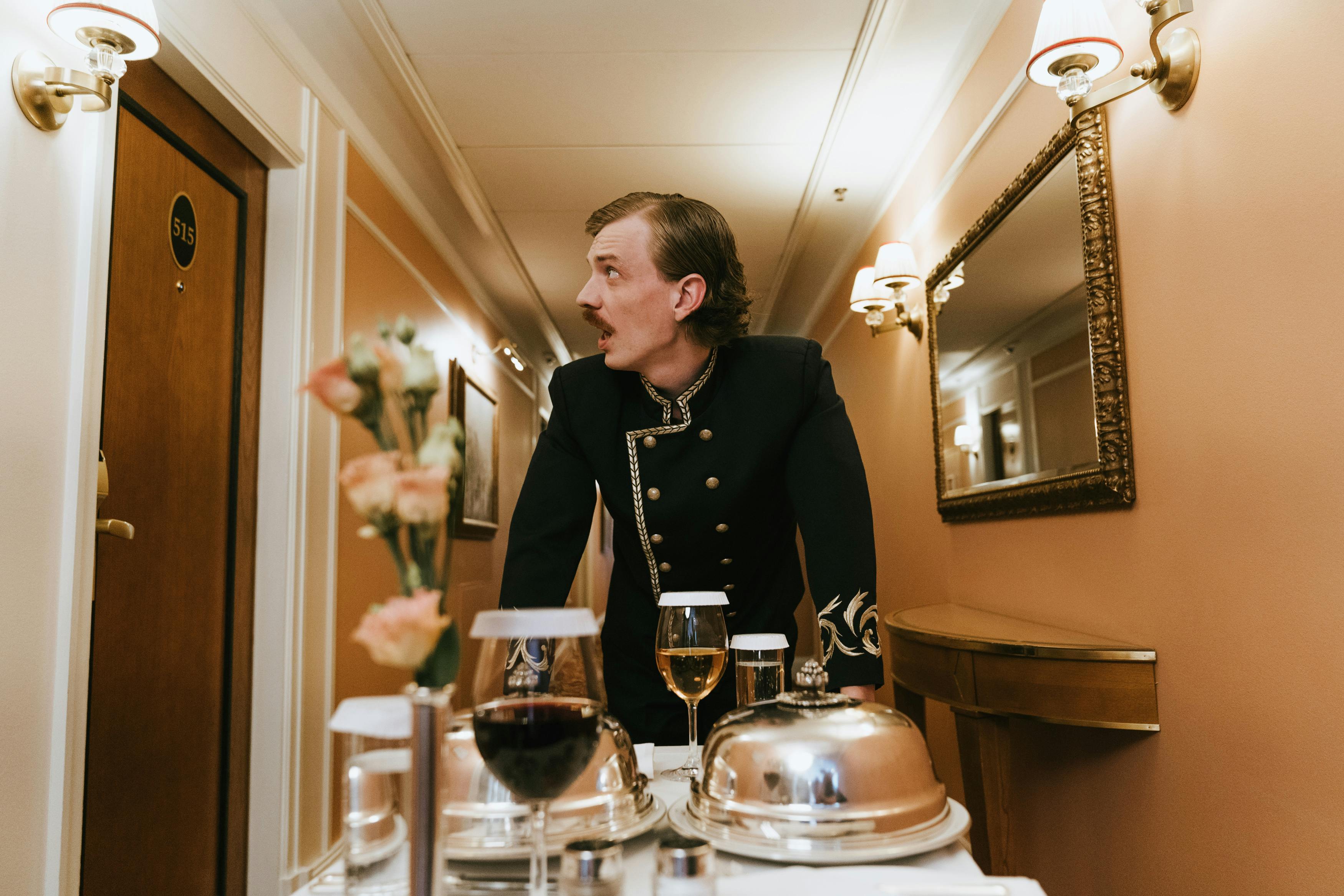
When something goes wrong during a stay, most guests reach for the phone rather than the chatbot, because a live conversation confirms to them that someone is handling the problem right now, while chat and messaging remain their default for routine, non-urgent requests.
The Moment a Stay Goes Wrong
Picture three moments: the AC dies at midnight, a guest is locked out after a long travel day, or a bill shows an extra charge nobody can explain. None of these feel like a chat window problem. Guests who happily texted the front desk about pool hours or late checkout suddenly want a ringing phone and a voice on the other end. The request itself has not changed format, urgent, personal, and money or comfort related, but the guest's tolerance for delay and ambiguity has dropped to nearly zero.
Why Guests Default to Chat and Messaging for Routine Requests
For routine, low-stakes contact, guests overwhelmingly choose text. One industry figure puts messaging preference over phone calls as high as 90% for general hotel communication, and a separate hotel chatbot study found 70% of guests prefer bot interactions over waiting for staff on requests like room service, housekeeping questions, or local recommendations. These are planning-stage or FAQ-type needs such as amenities, hours, and directions, where guests mainly want a fast answer, not a conversation, and expect a reply within roughly an hour.
Why the Phone Becomes the Escalation Channel When Something Breaks
Chat works until the situation stops being routine. Heyy.io's research shows guests happily use bots for room service or local tips, but that comfort breaks down for billing disputes, complaints needing empathy, or anything outside standard parameters, where they want a person. Viqal's data reinforces this: guests aren't loyal to a channel, they're loyal to resolution. When stress or uncertainty rises, a ringing phone and a human voice signal immediate accountability, someone is listening, responding, and solving the problem in real time, not queued in a chat thread.
The Speed and Tone Gap Between Text and Voice Under Pressure
The Worktual case study found chat response time fell under one minute, while voice queries settled under two minutes, both fast. But speed alone doesn't capture guest experience under stress. Typing takes time an upset guest doesn't feel they have, and text strips out tone, leaving urgency and frustration to guesswork on both ends. A spoken exchange confirms understanding instantly through pace and voice. That immediacy explains why satisfaction climbed further after the voice channel launched, reaching 4.5 out of 5.
Where an AI Phone Agent Fits Into This Channel Split
This is where an AI phone agent fits naturally. It picks up the calls guests default to when something goes wrong, including after-hours and overflow volume, so those calls never ring out. It works alongside chat rather than replacing it, letting each channel absorb what it does best.
Answers repetitive requests instantly, day or night
Frees staff for in-person, judgment-heavy moments
Complements chat instead of competing with it
Matching Channel Strategy to Guest Intent, Not Just Preference
The practical rule isn't which channel guests say they prefer, it's what the request signals. Sort by intent, not habit.
Pre-arrival questions, amenity details, directions: route to chat or SMS, where fast async replies fit the low stakes.
Anything read as urgent (a maintenance issue, a lockout, a billing dispute mid-stay): the phone must be answered live, every time.
After-hours and call spikes: this is exactly when live phone coverage matters most, not when it's safe to let it slip.
Signs Your Current Setup Is Failing Guests at the Wrong Moment
A few patterns reliably signal that phone coverage is breaking down exactly when guests need it most:
Calls about noise, lockouts, or maintenance ring through to voicemail after hours
Guests call two or three times before anyone answers, then leave a negative review anyway
No one is covering the line during shift changes or peak checkout hours
Front desk staff triage urgent calls the same way they handle routine questions
Missed calls never get logged, so nobody sees the pattern until a review appears
How to Cover Both Channels Without Adding Headcount
Covering both channels well doesn't require a bigger team, just clearer routing:
Deploy an AI phone agent to catch every call, especially overflow and after-hours.
Keep a chatbot or messaging tool for routine, text-based questions.
Integrate both with your PMS so guest and reservation data stays consistent.
Set escalation rules so urgent or emotional issues reach staff immediately.
Review call data regularly to spot recurring issues worth fixing upstream.
Ecco offers flexible monthly plans built for this setup. Visit the pricing page for current details.
Evidence and Sources
Conduit, “Hotel Guest Messaging: How Hotels Improve Guest Experience.” Industry coverage of hotel guest communication trends highlights a split by task type: guests strongly favor digital messaging for day-to-day, low-stakes contact. One widely cited figure attributed to Cloudbeds states that “90% of guests prefer messaging to phone calls for hotel communication.” The same coverage notes research from Revfine indicating that many guests expect a response to inquiries within roughly an hour, and that many travelers prefer properties offering personalized communication. These figures describe demand for fast, low-friction digital contact for planning and routine questions. Read the source.
Heyy.io, “Top 5 AI Chatbots for Hotels: Increase Direct Bookings.” The analysis states that 70% of hotel guests prefer chatbot interactions over waiting for staff for routine inquiries such as room service, housekeeping questions, and local recommendations. It draws a distinction for harder moments such as billing disputes, complaints requiring empathy, and requests outside standard parameters, where guests prefer a person. Read the source.
Viqal, “Hotel AI Chatbots and Guest Satisfaction.” The article reports that 34% of consumers actively prefer AI communication and 40% do not mind whether help comes from a bot or a person, provided their issue gets resolved. The figures suggest many guests are outcome-focused rather than loyal to a particular channel. Read the source.
Worktual, “Hotel AI Case Study: Guest Experience with Chatbots & Voicebots.” The case study reports that chat response time fell below one minute and voice queries settled in under two minutes. It also tracks satisfaction rising from 3.8 out of 5 at baseline to 4.2 after chatbot rollout and 4.5 after the voice bot was added, presenting both channels as complementary. Read the source.
EHL Insights, “Hotel Chatbots Explained: Benefits, Challenges, and Best Practices.” The hospitality business school’s analysis describes automation as support for hotel staff: it reduces pressure from repetitive, high-volume guest contact and lets teams handle more contacts without an unmanageable workload. It also notes that chatbots can increase guest feedback because additional contact channels surface more input. Read the source.
Related Guides
Frequently Asked Questions
Why do guests call instead of texting when something goes wrong at a hotel?
Chat works fine for routine, low-stakes questions, but once a situation involves stress, money, or comfort like a billing dispute or lockout, guests want a ringing phone and a human voice because it signals someone is acting on the problem right now, not queued in a chat thread.
What percentage of guests prefer texting or chatbots over calling a hotel?
One industry figure puts messaging preference over phone calls as high as 90% for general hotel communication, and a separate study found 70% of guests prefer bot interactions over waiting for staff on routine requests like room service or housekeeping questions.
Is voice or chat faster for resolving guest requests?
According to the Worktual case study, chat response time fell under one minute while voice queries settled under two minutes, so both channels are fast, but the immediacy of a spoken exchange still confirms understanding faster than typing during a stressful moment.
Should a hotel replace its chatbot with an AI phone agent, or use both?
Both channels should work together rather than compete: an AI phone agent picks up calls guests default to when something breaks, including after-hours and overflow, while chat continues to handle routine, low-stakes questions like amenities and directions.
If a hotel has a limited budget, should it start with an AI phone agent or a chatbot?
The article recommends starting with an AI phone agent for overflow and after-hours calls since missed urgent calls cost bookings and satisfaction, then layering chat for routine questions once phone coverage is solid.